Is Paperless Pipeline a Good Open To Close Alternative? Discover Which Real Estate Transaction Platform Fits Your Team Best

Transaction management software is critical for modern real estate teams.
Each deal involves dozens of documents, multiple deadlines, client communications, vendor coordination, compliance checks, and other project management tasks often across several agents and offices.
Managing all that through spreadsheets, shared drives, or email threads quickly breaks down as volume increases, making it harder to manage deals efficiently. Files go missing, tasks slip through the cracks, and no one has a clear picture of what’s been completed or what’s overdue.
It’s no surprise then that 43% of National Association of Realtors (NAR) members cite managing transaction paperwork as a significant time-consuming burden.
That’s why many brokerages and transaction coordinators turn to purpose-built platforms designed to bring order to the contract-to-close process.
Two popular options today are Paperless Pipeline and Open To Close. Both promise to save time, improve productivity, enhance accuracy, and reduce chaos, but they take different approaches to achieving it.
- Paperless Pipeline focuses on clarity, compliance, and simplicity, making it easy to scale without overwhelming your team. It offers a ready-made structure, with simple checklists, role-based tasks, and built-in compliance tools that work right away.
- Open To Close, meanwhile, leans into deep automation and customization, giving power users the flexibility to design complex workflows that fit their exact processes. It gives you more control to design and automate every part of your workflow, but it takes more setup and technical know-how to get there.
In this comparison, we answer the question “is Paperless Pipeline a good Open To Close alternative?”
We’ll explain how each performs across the categories that matter most: essential features, pricing, automation, onboarding experience, and ideal use cases, so you can decide which system aligns best with how your business operates.
What Is Open To Close?

Open To Close is a newer entrant in the transaction management space, built specifically for real estate teams that want to automate as much of their workflow as possible.
Rather than offering a fixed structure, it gives users the freedom to design their own complex processes from the ground up.
For teams that know how they want each transaction handled, this flexibility can be a major advantage.
At the core of Open To Close is a powerful workflow builder that lets users create detailed task sequences for every stage of a transaction.
Dynamic intake forms capture property and client information, helping coordinators keep everything organized when managing contacts throughout a transaction.
The platform also supports email and text automation, allowing agents and coordinators to send consistent updates and nurture leads without manual follow-up.
Built-in client and agent portals keep everyone informed, and DocuSign integrations streamline document execution.
Higher-tier plans also include commission templates, allowing you to manage financial tracking alongside task management.
Open To Close’s biggest strengths lie in its depth of automation, customization, and transparency in communication.
Some teams even use it to trigger new workflow phases based on property type or contract stage, helping them automate communication across the entire customer lifecycle.
For experienced transaction coordinators or tech-savvy brokerages, it offers unmatched control over every workflow.
However, that power comes with trade-offs:
- The pricing model is per-user rather than per-transaction, which can make it expensive for larger teams.
- Setup and configuration take time.
- Mastering its advanced features requires a steeper learning curve than simpler platforms.
In other words, it’s a robust system built for those who want full control and fine-grained automation, rather than a plug-and-play solution.
Why Paperless Pipeline Could be a Good Open To Close Alternative
Paperless Pipeline is a purpose-built transaction management platform designed for real estate teams that want structure, clarity, and compliance without unnecessary complexity.
It focuses on what matters most: helping brokers, coordinators, and agents move transactions from contract to close smoothly and consistently.
Paperless Pipeline combines transaction and document management with highly customizable, role-based workflows.
Users can create checklists that mirror their processes, assign tasks to specific business roles (like agent, TC, or compliance manager), and set automated due dates to stay on track.
Each transaction file stores every document, note, and update in one place, providing a clear audit trail that’s easy to review at any time.
Built-in eSign capabilities simplify document execution, while the optional Commission Module streamlines disbursements and reporting at closing.
One of Paperless Pipeline’s specific advantages is its unlimited user policy. Brokerages can add as many agents, admins, or coordinators as needed, paying only for new transactions each month.
This makes it exceptionally cost-effective for growing teams or multi-office firms with fluctuating usage.
Beyond robust features, Paperless Pipeline earns high marks for its reliability, user-friendly interface, and dedicated onboarding support.
The platform is easy to adopt for teams with varying technical experience, and setup assistance ensures that workflows, permissions, and checklists align with your existing processes.
In short, Paperless Pipeline delivers a streamlined, scalable system for managing every transaction from start to finish.
It’s built to keep deals compliant, communication clear, and daily operations stress-free as your business grows.
Feature-by-Feature Comparison

Both Paperless Pipeline and Open To Close aim to simplify real estate transaction management, but they take different approaches to achieve it.
The table below highlights how each platform approaches key areas, including automation, pricing, integrations, and onboarding.
| Feature | Paperless Pipeline | Open To Close |
| Core focus | Simplicity and compliance | Extensive customization and automation |
| Pricing model | Per-transaction (unlimited users) | Per-user subscription (unlimited deals) |
| Automation | Task templates, auto-calculated due dates | Advanced triggers, conditional workflows |
| Integrations | Via Zapier or API | Native (Google Workspace, Follow Up Boss, DocuSign) + Zapier |
| eSign | Built-in Pipeline eSign | Relies on DocuSign integration |
| Commission tracking | Optional add-on module | Built-in for higher-tier plans |
| Onboarding | Free setup and training | DIY setup or premium support on top tier |
| Best for | Brokerages and growing teams | Solo transaction coordinators and automation-driven teams |
Paperless Pipeline is designed around the idea that transaction management shouldn’t require a full-time system administrator.
Teams can get started quickly with pre-built workflows, intuitive checklists, and role-based permissions.
Its automation is practical and straightforward, focused on accuracy and compliance rather than complexity.
For brokerages managing multiple agents and fluctuating volumes, the per-transaction pricing and unlimited user model make scaling seamless.
Open To Close, on the other hand, is built for users who want total control over every process.
Its advanced triggers and dynamic forms enable deep automation that can run entire workflows with minimal manual input.
That flexibility is powerful but comes at the cost of simplicity. Setup requires time, and maintaining custom automations often demands hands-on technical oversight.
In short:
- Paperless Pipeline excels in fast setup, reliability, and scalability. It’s ideal for teams that value predictability and ease of use.
- Open To Close is flexible and powerful, but inherently more complex. If you are a tech-forward coordinator or team willing to invest in customization to achieve complete automation, then Open To Close may meet your business needs.
Let’s take a closer look at how each platform compares for the factors listed above.
Pricing and Scalability

When comparing Paperless Pipeline and Open To Close, pricing is one of the clearest points of difference.
The two platforms use completely different models; one based on transactions, the other on users, which can have a major impact on overall cost as your team grows.
Paperless Pipeline pricing
Paperless Pipeline starts at $65 per month for up to five new transactions, with higher tiers available as volume increases.
All plans include unlimited users, so brokerages can add as many agents, coordinators, or admins as needed at no extra cost.
You only pay for the number of new deals created each month, which makes it easy to scale up or down based on business volume. For example:
- Independent TC: $65/month for up to five new files.
- 10-agent brokerage: Roughly $165/month for 25 transactions.
- 50-agent team: Around $495/month for up to 250 transactions.
That flexibility is ideal for teams with seasonal fluctuations or uneven production across agents. If business slows, costs drop automatically.

Open To Close pricing
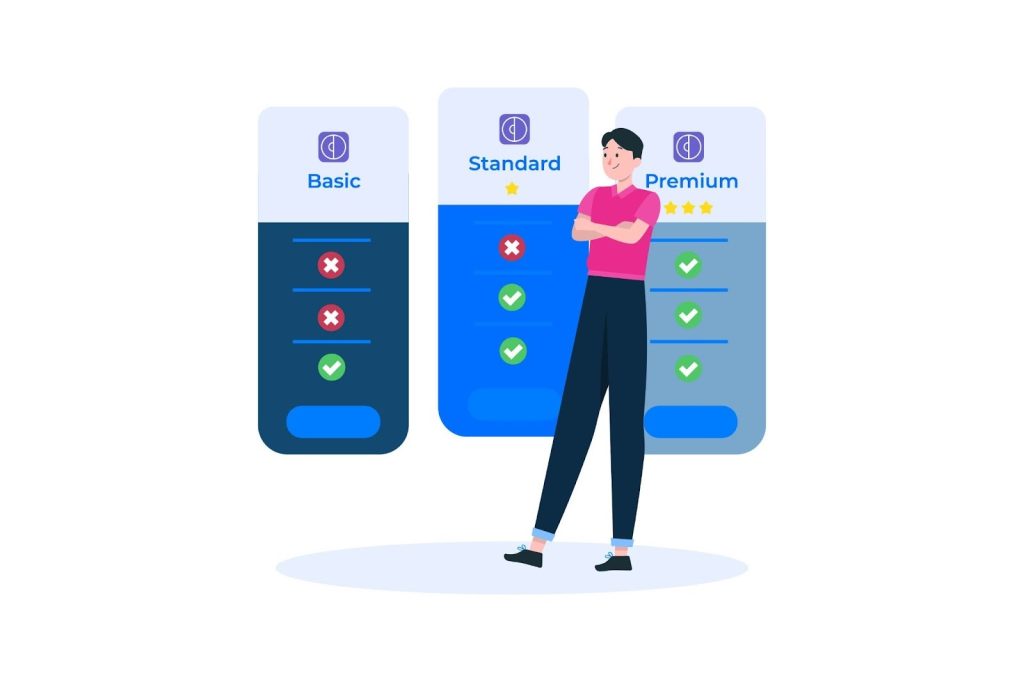
Open To Close uses a per-user subscription model. Plans start at $99/month for the “Grow” tier, $199/month for “Pro,” and $399/month for “Scale.” Each plan includes one user, with additional users billed at $69 per month. For instance:
- Independent TC: $99/month (Grow plan, unlimited deals).
- 10-agent brokerage: Roughly $690/month (base plan + 9 users).
- 50-agent team: Over $3,400/month before upgrades.
While Open To Close provides unlimited transactions per user, its per-seat structure can become costly for large enterprises.
In short, Paperless Pipeline scales with transaction volume, making it a better fit for brokerages and growing teams with variable deal flow.
Open To Close scales with user count, which suits high-volume individual coordinators or smaller teams that want unlimited deal capacity and advanced automation.
Onboarding and Ease of Use

Ease of setup and day-to-day usability can make or break adoption across a brokerage. While both platforms streamline operations once they’re running, setting them up is very different.
Paperless Pipeline is built for immediate usability:
- Most teams can start managing transactions within days of sign-up, thanks to its intuitive interface and plug-and-play design.
- The platform includes free setup assistance and training, so workflows, checklists, and user permissions are configured correctly from the start.
- Even teams with mixed technical experience, from veteran brokers to first-time transaction coordinators, find it easy to navigate.
- Its consistent layout across transactions reduces the learning curve, allowing new hires to get up to speed quickly without long onboarding sessions or IT support.
Open To Close requires a more hands-on, manual configuration process. Before going live, users typically spend time customizing workflows, automations, and client communications.
The result is a highly personalized system, but one that takes longer to build and maintain. Premium onboarding and support are available at higher subscription tiers, while standard plans rely on self-guided setup and documentation.
In short:
- Paperless Pipeline prioritizes simplicity and speed, helping teams get operational right away.
- Open To Close offers greater control, but at the cost of a steeper learning curve.
If you want instant usability, Pipeline wins; if you enjoy building detailed, custom workflows, Open To Close rewards the effort.
Automation and workflow design

Automation is where Paperless Pipeline and Open To Close diverge. Both platforms streamline repetitive work, but they’re built on very different philosophies; one favors clarity and simplicity, the other deep customization.
Paperless Pipeline focuses on practical, date-based automation that keeps every transaction on track without complex configuration.
When a new file is created, the appropriate checklist loads automatically, complete with predefined tasks and due dates that adjust according to key milestones like contract acceptance or closing.
Each task is assigned by role, ensuring that agents, coordinators, and compliance managers always know their responsibilities.
The platform can also send reminders or alerts as deadlines approach, reducing missed dates and keeping compliance airtight.
This level of automation covers the essentials. It’s predictable, low-maintenance, and easy for anyone on the team to understand at a glance.
Open To Close, by contrast, offers advanced, event-driven automation.
Users can create conditional workflows with “if/then” rules that dynamically respond to transaction changes.
For example, marking an offer as accepted can automatically generate new task lists, send prewritten client or vendor messages, and update timelines, all without manual input.
The key distinction is scope:
- Paperless Pipeline automates the fundamentals, including checklists, dates, and accountability. Its automation is designed for transparency and reliability.
- Open To Close automates the full lifecycle, letting users build complex, self-adjusting systems. It is built for those who want to fine-tune every possible scenario.
Integrations and tech stack fit
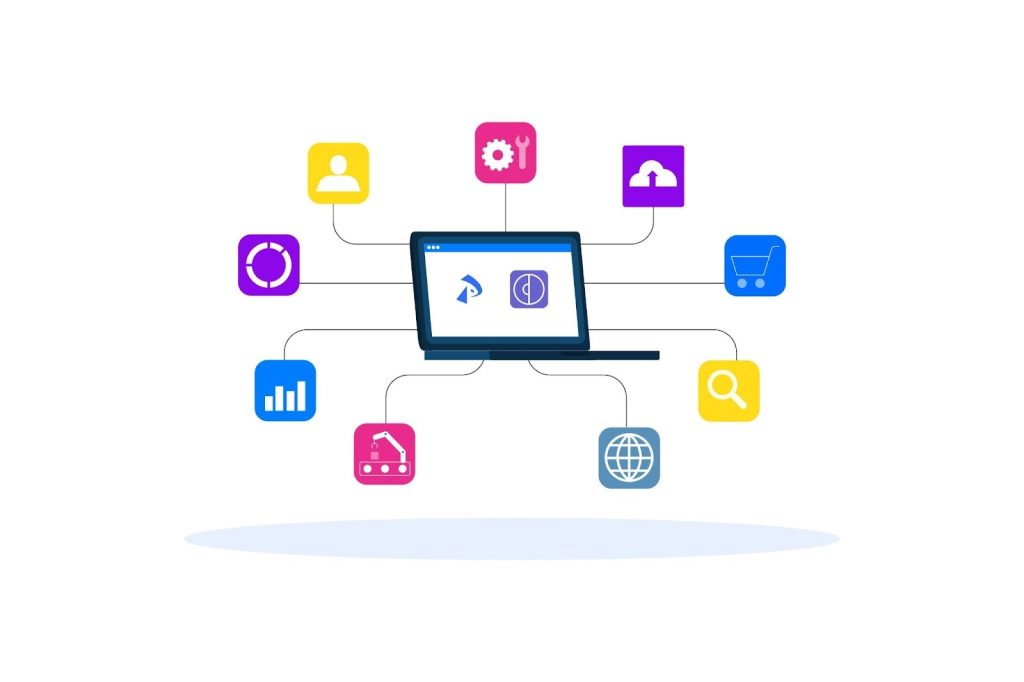
Every real estate operation runs on multiple tools from third parties, such as:
- Customer relationship management (CRM) platforms
- Email marketing platforms
- Document storage
- E-signature software
- Accounting systems
How well your transaction management platform connects with those service tools determines how smoothly information flows across your business.
Paperless Pipeline takes an open, flexible approach to integrations. It connects with other platforms primarily through Zapier or its public API, allowing users to build custom connections between Pipeline and almost any app.
This includes popular platforms like:
- Follow Up Boss
- HubSpot
- Google Drive
- Slack
- Xero
This approach gives teams the freedom to shape their own ecosystem, whether connecting a CRM, a sales engagement platform, marketing automation software, or tools for storing and managing customer data.
While setup can require some configuration, it means your data isn’t locked into a rigid workflow.
For brokerages that already have a preferred tech stack, this open model keeps systems connected without forcing a specific set of integrations.
Open To Close, meanwhile, offers a more predefined ecosystem.
It features native integrations with:
- Google apps
- Microsoft 365
- Follow Up Boss
- DocuSign
- Stripe
This makes it easy to sync calendars, manage communication, collect payments, and handle e-signatures without third-party middleware.
The trade-off is less flexibility; integrations are smoother, but limited to what’s officially supported.
In short:
- Paperless Pipeline offers openness and adaptability for teams that want control over how tools connect.
- Open To Close provides a more guided, plug-and-play setup tailored to the most common real estate systems.
Who Each Platform Is Best For
Both Paperless Pipeline and Open To Close are highly capable transaction management solutions, but they serve different operational styles and priorities. The best choice comes down to how your team works, how much time you want to spend configuring your systems, and how your deal flow fluctuates throughout the year.
| Scenario | Best Choice | Why |
| Small businesses (5–20 agents) | Paperless Pipeline | Unlimited users make it cost-effective for teams of any size, while built-in compliance tools give brokers clear oversight without extra admin. |
| Independent transaction coordinator (20+ deals/month) | Open To Close | Offers unlimited transactions per user, deep automation, and the flexibility to build workflows around each client or agent. |
| Multi-office brokerage | Paperless Pipeline | Supports large or distributed teams with role-based permissions, admin visibility, and consistent workflows across multiple offices. |
| Tech-forward, high-volume team with structured sales operations | Open To Close | Advanced triggers, conditional logic, and client portals make it ideal for coordinators who manage dozens of transactions and want full automation. |
| Teams needing fast setup and adoption | Paperless Pipeline | Guided onboarding and intuitive design mean teams can go live within days, with minimal training required. |
User Feedback and Reputation
Let’s see how the two platforms measure up on major review websites.
Paperless Pipeline
Highly rated for its reliability, simplicity, and responsive customer support. Users frequently mention how easy it is to onboard new agents and keep transactions organized without added complexity.
- Capterra: 4.9/5 stars (170+ reviews)
- G2: 4.8/5 stars
- GetApp: 4.9/5 stars
“Paperless Pipeline keeps our team organized and compliant without feeling like another piece of software to manage. It just works.” — Capterra reviewer
Open To Close
Praised by transaction coordinators for its automation, customization, and efficiency at scale. Users like its ability to streamline repetitive work, but note a steeper learning curve and higher cost for large enterprises.
- Capterra: 4.8/5 stars (50+ reviews)
- G2: 4.7/5 stars
- GetApp: 4.8/5 stars
“It’s incredibly powerful once you set it up — the automation saves hours every week, but the setup takes patience.” — G2 reviewer
Conclusion: The Best Choice Depends on Your Workflow
Both Paperless Pipeline and Open To Close deliver measurable efficiency gains, but they’re built for different kinds of real estate operations.
- Paperless Pipeline stands out for its simplicity, scalability, and hands-on customer support; a practical choice for teams that want a system that “just works” right away.
- Open To Close appeals to users who enjoy building complex workflows and crave deep automation and customization.
Ultimately, the best platform is the one that aligns with how your business runs day to day, whether that’s predictable, structured workflows or fully automated processes built from the ground up.
You’ll also need to consider your workflows, team size, and the structure of your sales process.
Try Paperless Pipeline free for 14 days, complete with personalized onboarding to configure your checklists, permissions, and commission settings, so your system is ready to run from day one.