Why Real Estate Data Matters (And How Brokers Can Use It To Win)
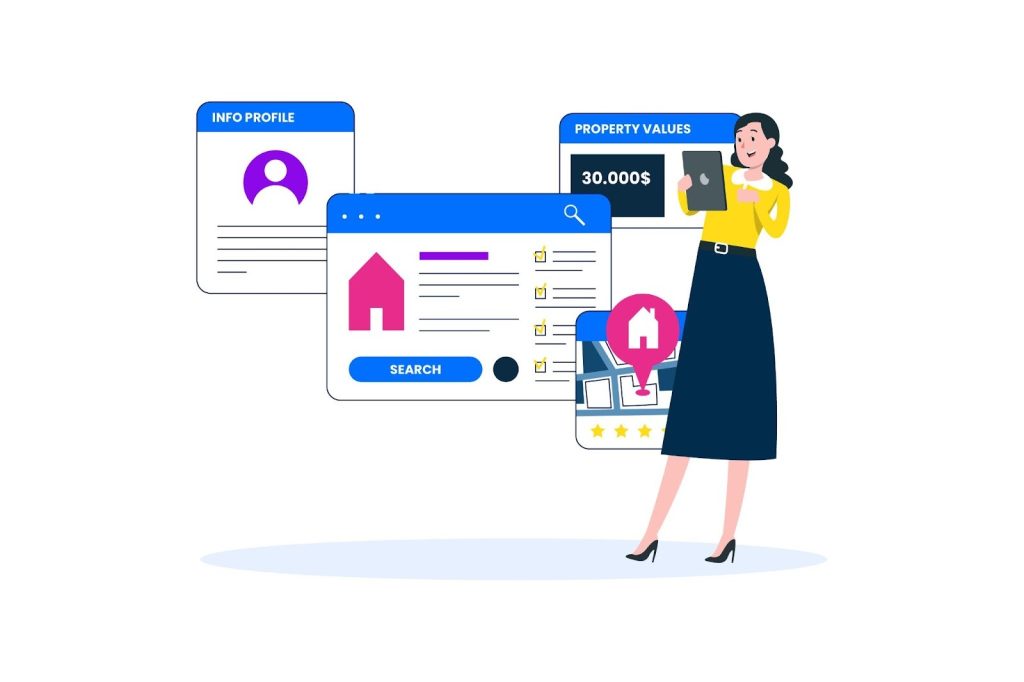
Many real estate brokers struggle to make decisions because they don’t have complete information.
Without accurate data on properties, market trends, and transaction history, it’s easy to miss opportunities.
However, having the right real estate data solves this issue. By collecting and analyzing relevant information, you can make smarter, faster, and more profitable decisions.
Statistics show that companies that rely on data report at least an 11% increase in profitability and overall performance. This shows just how beneficial it is to rely on accurate insights.
In this article, we’ll explain why brokers need real estate data, what types are the most important, and where to find it.
Why Real Estate Brokers Need Data

Real estate data is crucial to running a successful brokerage. Here are just some of the reasons why you need real estate data:
Make smarter decisions
For real estate professionals, data is the foundation of better decision-making. Brokers and real estate agents rely on accurate numbers to guide pricing, marketing, and negotiations.
Without real estate data, decisions are based on instinct alone, which can lead to costly issues.
As Sean Rad emphasizes, “Data beats emotions.” Rather than making emotional decisions about your business and clients, data helps you develop informed strategies.
For example, understanding how property values have shifted over a given period allows you to recommend competitive sale prices and position listings effectively.
Stay competitive in a shifting market
As you likely already know, the real estate market changes quickly. Trends in one given month may look very different the next, making ongoing market analysis essential.
Brokers who monitor fluctuations in property demand and inventory are better equipped to spot opportunities to adapt before their competitors do. This agility helps you maintain your edge in a crowded marketplace.
Drive efficiency and profitability
Real estate data also helps you identify operational inefficiencies. By tracking metrics such as transaction timelines, client acquisition costs, and agent performance over a specific time period, you can spot bottlenecks that slow deals down.
Key statistics show that data-driven companies can improve operational efficiency by up to 80% in some cases. Also, these companies have a 19 times higher likelihood of being profitable.
Organized data turns day-to-day activity into measurable insights, so you can allocate resources more effectively to improve your profitability.
Reducing risk and ensuring compliance
Reliable data plays an important role in helping you stay compliant and reduce liability. As you know, real estate transactions involve strict legal and financial requirements, from disclosure forms to commission agreements. When data is scattered or inaccurate, important details slip through the cracks.
For example, regulations often require brokers to keep records of contracts, amendments, closing documents, and communications for a set number of years. Organized data ensures that every document and transaction record is accessible when auditors, regulators, or clients request it.
The Types of Data Your Real Estate Brokerage Needs
To stay competitive, you need accurate, organized data that reflects the realities of your market and operations. The most effective brokers track multiple categories of data, each offering different kinds of insights. Here are some of the types of data brokers should keep track of:
- Transaction data: Every deal generates valuable information, including contracts, commission breakdowns, and a property’s closing timeline. Tracking details like pending status, homes sold, and the property address ensures you have a full picture of your current pipeline.
“Real estate is not just a transaction. It’s about understanding the value of what lies beneath the surface.”
Dean Jones, CEO of Realogics Sotheby’s International Realty
- Market data: A strong understanding of local trends is vital for your pricing and positioning. This includes the median list price for different property categories, such as single-family homes, condos, or multi-family units. Brokers also benefit from analyzing square footage, zip codes, and comparing the data to the previous month.
- Operational data: You need insights into your brokerage’s performance. Agent productivity, lead sources, and transaction volume by city or even across the county can highlight what’s working and where improvements in your operations are needed.
- Client data: Tracking client preferences, budgets, and history helps you match buyers with the right properties. For example, knowing how property taxes might affect a client’s purchasing decision can be as important as showing them the right listings.
Where Brokers Can Find Real Estate Data

There is a wide array of resources for gathering accurate and actionable insights as a broker. Knowing where to look and how to evaluate the accuracy of the data can make all the difference. Here are some sources where you can find real estate data:
- Multiple Listing Service (MLS): The MLS remains one of the most reliable sources for real-time listing information. You can review details on each property type, the number of homes available, and the current status of listings. MLS data also offers historical records that can be useful in your analysis.
- Public records and databases: Local governments provide information on construction, owner histories, and payment records. These sources are especially useful for valuation work.
- Third-party data providers: Many brokerages rely on professional data providers that specialize in housing forecasts, seasonally adjusted pricing data, or demand index figures. These platforms often include tools to calculate averages, track the number of listings, and provide more in-depth market reporting.
- Brokerage systems and CRMs: Internal systems allow you to track client preferences, sellers’ motivations, and buyers’ interest in specific listings. This data is often the most consistent, as it comes directly from day-to-day interactions.
- National reports and market trends: Organizations like the National Association of Realtors (NAR) often release housing reports accompanied by a link to downloadable data. These reports can help you anticipate demand cycles and adjust buying or selling strategies accordingly.
Why Compiling and Ordering Your Data Matters

While collecting real estate data is the first step, how you organize it is what makes the biggest impact.
When your data is scattered across spreadsheets, email attachments, and different systems, you waste valuable time searching for the right information. Also, inconsistent data can lead to bad decisions, miscommunication, or missed opportunities.
Centralized and well-ordered data allows you to see the full picture of your operations and market activity at a glance.
For example, comparing homes sold in different neighborhoods is far more meaningful when figures are consistent and tied to standardized metrics such as property size, type, or time on market.
Structured data also makes it easier to generate accurate reports. Instead of manually pulling numbers, you can quickly access performance dashboards that show you transaction counts, agent productivity, and forecasted revenue. This kind of clarity enables you to make faster, more confident decisions.
Finally, organized data scales with your brokerage’s growth. As your transaction volume increases, a clear system prevents information overload and ensures you can keep delivering a quality service without getting bogged down in administrative details.
How Paperless Pipeline Can Help with Real Estate Data
Managing real estate data doesn’t have to be overwhelming. Paperless Pipeline, a purpose-built real estate transaction management system, centralizes your brokerage’s information for you. Here’s how:
Centralized transaction tracking
Our software keeps every deal, document, and transaction detail in one place. Brokers and real estate agents can easily access property information, client communications, and transactional timelines, making it simple to monitor prices, pending deals, and historical trends.
Customizable reporting and analytics
The platform offers intuitive reporting tools that enable you to track metrics such as agent performance, deal volume, and commissions.
With built-in dashboards, it’s easy to spot trends, compare information, and analyze activity over specific periods.
Enhanced accuracy and compliance
By consolidating data, Paperless Pipeline reduces errors and ensures that every transaction record is complete and up-to-date.
This level of organization helps you meet compliance requirements, avoid costly mistakes, and maintain transparency with clients.
Actionable insights for growth
Our system doesn’t just store data. It turns it into actionable insights. You can forecast things like future sales, spot trends, and make data-driven decisions that improve your profitability.
Use the Best Platform for Real Estate Data
Accurate, organized real estate data is essential for brokers who want to make smarter decisions, close deals faster, and maintain a competitive edge.
Paperless Pipeline streamlines the process by providing customizable dashboards, real-time analytics, and comprehensive reporting. Brokers can monitor performance, analyze trends, and forecast opportunities, all from a single platform.
Sign up for a free 14-day trial to see how our system can compile, manage, and leverage real estate data to drive growth within your firm.